Top 10 A4 Portfolio Folder
Last update: 12-07-2026
Best Portfolio Folders overall →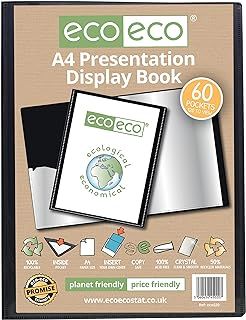
A4 Portfolio Folder: 3 things to consider before buying
Decide first: display book for showing pages, or padfolio for meetings
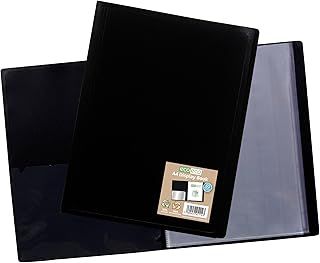
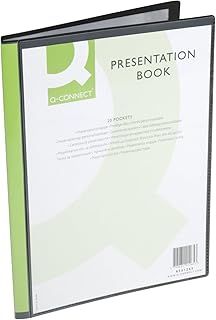
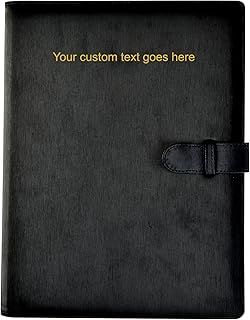
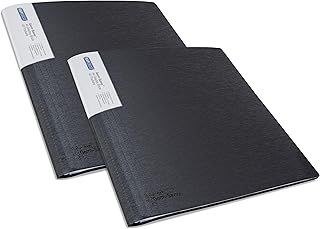
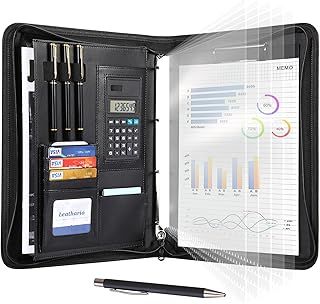
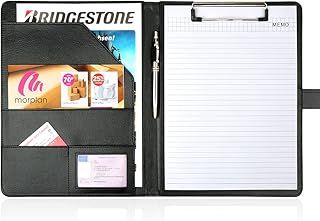
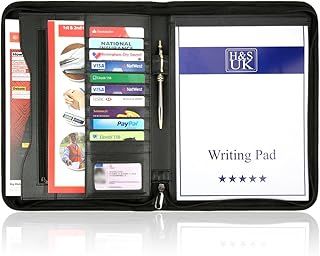
A display book is a bound set of clear plastic pockets for presenting artwork, certificates or a portfolio. A padfolio is a leather-look folder with a writing pad, card slots and pockets, made for meetings and interviews. Two different products both turn up under this keyword. Sort out which job you're buying for before you start comparing price.
If you want a padfolio, check for a ring binder and a zip
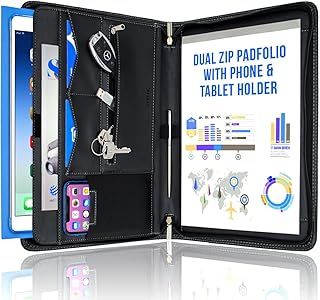
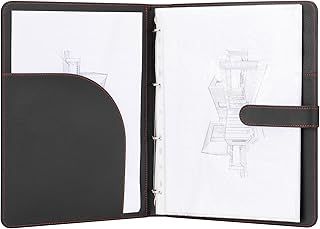
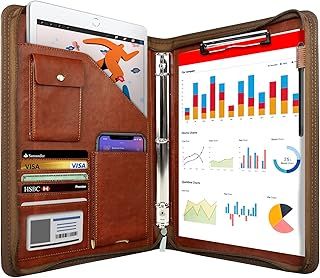
A ring mechanism lets you add or remove punched sheets and a legal pad. A wraparound zip stops loose papers falling out when you travel. Some folders give you both. Ring binder means flexible filing; a zip means your stuff stays put on a busy commute.
If you want a display book, count the pockets and the sheet capacity
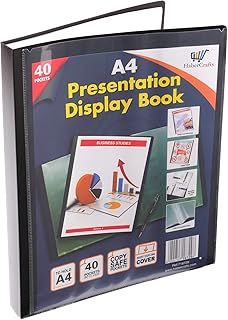
Display books come in 20, 40, 60 or more pockets, and each pocket holds up to two sheets, so a 40-pocket book shows 80 views. Work out how many pages your portfolio runs to, add a little headroom, and buy for that rather than reaching for the cheapest one on the page.
Frequently Asked Questions
What is the difference between a portfolio folder and a padfolio?
Do I need a ring binder in my A4 portfolio folder?
How many pockets should an A4 display book have?
Is a zipped conference folder better than one with a flap?
Will a faux leather portfolio folder last?
Can a padfolio hold a tablet?
What size is an A4 portfolio folder?
Are acid-free pockets worth it for a display book?
Your complete guide to A4 Portfolio Folder
Work out which kind of A4 portfolio folder you actually need
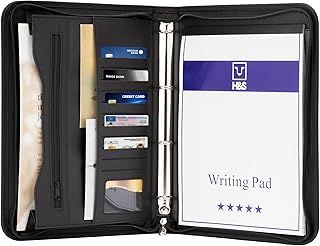
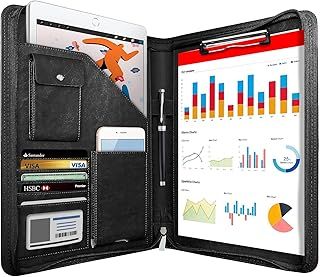
The phrase 'A4 portfolio folder' covers two products that do very different jobs, and buying the wrong one is the usual mistake here. One is a display or presentation book: a bound set of clear plastic pockets you flick through to show artwork, a school or college project, certificates, brochures, or a modelling or design portfolio. The other is a padfolio, sometimes called a conference or business folder. That's a faux-leather folder holding a notepad, your loose documents, business cards and often a pen, built for interviews, client meetings and conferences. So before you look at any price, settle one question: are you presenting pages to other people, or organising your own paperwork on the move? Everything else follows from that answer.
Choosing a display book: pockets, sheet capacity and cover
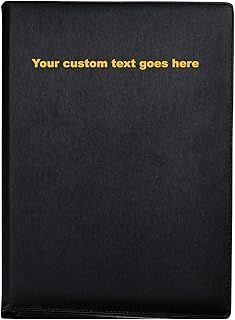
Display books are sold by pocket count, usually 20, 40, 60 or more. Each pocket normally takes up to two sheets back to back, so a 40-pocket book gives you 80 viewable sides. Count the pages you need to show, add roughly 20 percent headroom, then match that. Cover and pocket quality matter too. The better books use a firm cover and clear, water-repellent pockets, which keeps pages flat and protected while you handle them. If the folder is for anything you want to keep for years, such as photographs or certificates, look for acid-free pockets. Archival suppliers stock these specifically because they stop documents yellowing over time.
Choosing a padfolio: ring binder, zip and inside layout
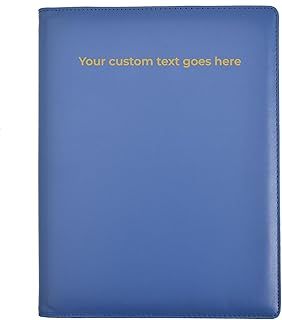
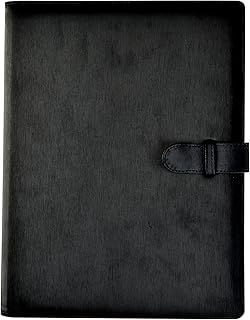
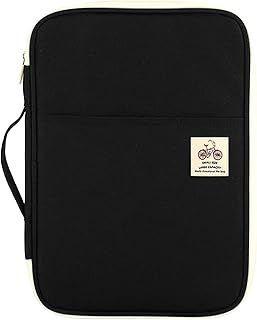
For a meeting folder, three things decide how useful it is day to day. First, the ring mechanism. A ring binder lets you keep punched loose paper tidy and clip in your own punched pad, which suits anyone who takes a lot of notes. Second, the closure. A wraparound zip keeps everything secure when you carry it, while a simple flap is lighter and quicker to open. Third, the inside layout. Check for business card slots, a pen loop, and a sleeve sized for a tablet if you carry one. Not every folder has all of these, so read the spec rather than assuming.
Material and finish: what faux leather does and does not give you
Most affordable padfolios use PU or faux leather. It looks smart, wipes clean and holds up well for everyday commuting and meetings, which is why it dominates this category. It won't develop the patina of real leather, and the very cheap versions can crease at the spine. If the folder is going to be seen across a boardroom table, it's worth paying a bit more for a firmer, better-stitched one. Display books make the material question simpler. You're really choosing between a flexible poly cover and a rigid one, and between standard and acid-free pockets.
Match the spend to how often you'll use it
Price in this category runs from around six pounds for a plastic display book up to nearly thirty for a fully kitted zipped padfolio. Show a portfolio only now and then, and a well-reviewed display book at the lower end does the job. Carry a folder to meetings most weeks, and it's work kit. Buy a padfolio with the closure and card layout you'll actually use, because the daily wear earns back the extra. There are plenty of reviews at this price point, so favour models with several thousand ratings and a score around 4.5 or higher for a reliable read on real-world durability.