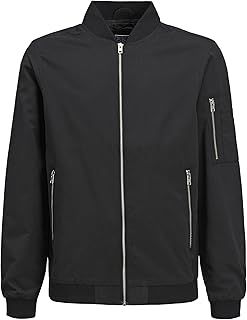
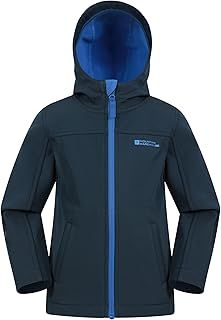
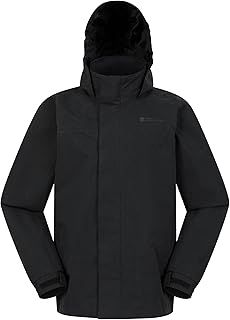
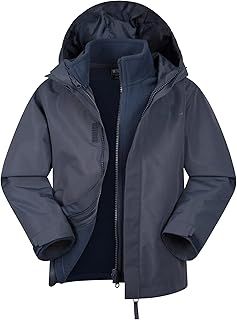
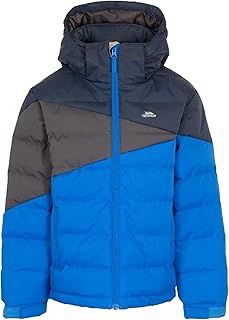
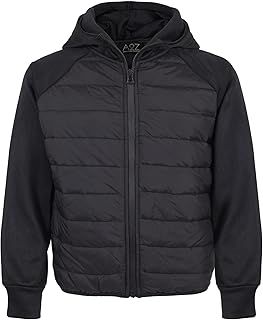
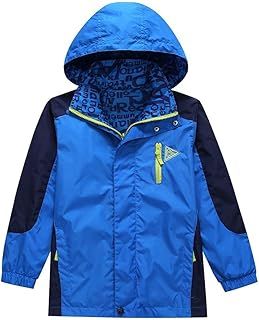
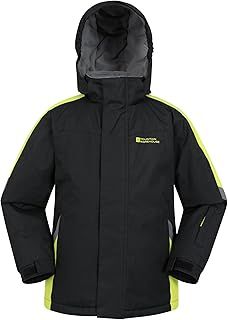
Top 10 Boys Coats 13-14 Years
Last update: 12-07-2026
Best Kids’ Clothing overall →
Boys Coats 13-14 Years: 3 things to consider before buying
Sort out how much rain it really needs to stop
A water-resistant coat sheds light showers. A fully waterproof one adds taped seams and holds up in steady rain. For daily school runs, a coat rated around 5,000mm handles showers well, and 10,000mm or above copes with heavier or longer spells. Match the rating to how long your teenager is actually outside.
Go synthetic if it will get wet and washed a lot
Down is warmer for its weight, but it collapses once soaked and needs fussy washing. Synthetic padding keeps its loft when wet. It also machine washes on a normal cold cycle, which is what a teenager's everyday coat really needs.
Measure chest and height, do not trust the age label
A 13-14 label is a guide, nothing more. Plenty of teens at the top of this range fit an adult XS or S better. Measure the chest and the height, then check the specific brand's chart before you buy, because sizing drifts from one maker to the next.
Frequently Asked Questions
What size is a 13-14 years coat in adult terms?
Is down or synthetic padding better for a teenage boy's coat?
What waterproof rating do I need for a school coat?
What is the difference between waterproof and water-resistant?
Can you machine wash a boys' winter coat?
How warm does a coat need to be for a 13-14 year old?
Should the coat have room to grow?
Are fleece-lined coats worth it?
Your complete guide to Boys Coats 13-14 Years
Waterproof or water-resistant: match it to the weather
The biggest call is how much rain the coat has to keep out. A water-resistant coat carries a repellent coating that beads off light showers. A genuinely waterproof one goes further, with taped seams and a waterproof outer so nothing creeps through the stitching. Hydrostatic head ratings help you compare, though the line between water-resistant and waterproof is fuzzier than the marketing suggests. Around 5,000mm will see off a shower. Something rated 10,000mm handles a heavier shower or ongoing lighter rain, and higher numbers suit sustained downpours. For a 13-14 year old walking to school in ordinary British weather, a decent water-resistant finish and a hood cover most days. If your teenager is out for hours or plays outdoor sport, push for 10,000mm or more. One trade-off is worth knowing. Very high waterproof numbers can come with less breathable fabric, so an active kid may feel clammy inside a coat that is overbuilt for a ten-minute walk.
Insulation: down warmth against synthetic practicality
Warmth comes down to the fill. Down is loftier and traps more heat for its weight, which is why it is generally reckoned the warmest option gram for gram. The catch is wet weather. Once down gets soaked it flattens and stops insulating, and it wants down-safe detergent and careful low-heat drying to come back. Synthetic padding, usually polyester, holds its shape when wet and carries on trapping heat even damp. It machine washes on a standard cold cycle and dries in a few hours. For a teenager's everyday coat that meets mud, rain and the family wash basket, synthetic is usually the sensible pick. Save down for a coat worn mainly in cold, dry conditions rather than persistent rain. There is a middle path too. Fleece-lined coats, or ones with a fleece you can unzip, give you winter warmth and then strip back for milder spring days.
Getting the fit right at 13-14
Age sizing is only a starting point. UK older-boys ranges usually run to 15-16 years, and a 14 year old can land anywhere between a youth size and an adult XS or S depending on build. Height and chest measurements beat the age label every time, especially for kids who are tall or short for their year. Measure the chest around the fullest part, snug but not tight. Then measure the natural waist just above the belly button and check the specific brand's chart, since sizing varies between makers. Here is a rule of thumb worth using. If your teenager is near the top of the 13-14 band, compare the adult small chart before you commit. A coat that fits now with no room for a jumper will feel tight within a term. Leave enough space for a hoodie or school jumper underneath, without the coat swamping them.
Everyday practicality: washing, style and staying power
A coat at this age gets hard use, so easy care matters. Machine washability is genuinely useful when the thing comes home caked in mud, and synthetic fills make that painless. Check the care label first. Then wash cold on a gentle cycle with a mild detergent and air dry rather than tumbling on high heat, which can shrink or damage synthetic outers. Style carries more weight now than it did a couple of years ago. Teenagers are picky, and a coat they refuse to wear is money down the drain, so it is worth letting them have a say. Sporty puffers and rugged outdoor styles from names like Regatta and Mountain Warehouse tend to go down well with this age. A few practical details reward checking: a proper hood, zipped pockets that keep a phone secure, and a cut long enough to cover the hips on cold mornings.