Top 10 Green Curtains
Last update: 12-07-2026
Best Curtains overall →
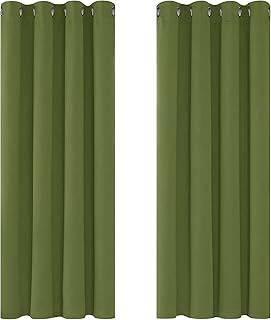
Green Curtains: 3 things to consider before buying
Measure the drop and buy wide, not just to the window edge
UK ready-made curtains come in fixed drops of 54, 72 or 90 inch, so pick the one nearest your pole-to-sill or pole-to-floor measurement. For blackout, mount the pole about 15cm beyond each side of the window. That way the panels overlap the wall and cut the side light that leaks past a curtain sitting flush to the frame.
Check it says pair, and check the fullness
A listing marked Pair or 2 Panels gives you two curtains. A single panel gives you one, which catches plenty of people out. Aim for a total curtain width of about twice your pole width so the fabric gathers into proper folds rather than pulling flat across the window.
Decide if you need thermal, not just blackout
Blackout blocks light. Thermal keeps heat in. They are not the same job, and a cheap single-layer blackout curtain will darken a room while doing very little for warmth. If lower winter bills matter to you, look for a panel labelled thermal blackout with a multi-layer or coated back.
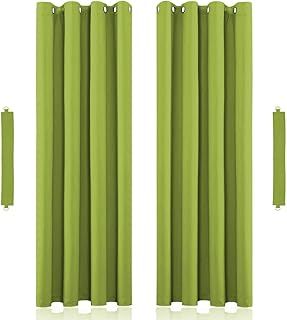
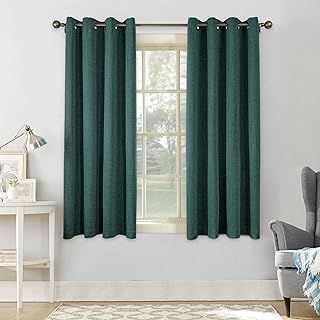
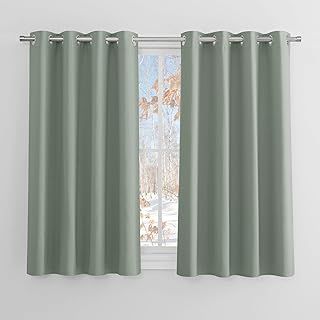
Frequently Asked Questions
Do green blackout curtains block 100 percent of light?
What is the difference between blackout and thermal curtains?
How do I know which drop and width to buy?
Does the listing give me one curtain or a pair?
Eyelet or pencil pleat, which should I pick?
Can I machine wash polyester blackout curtains?
Will thermal curtains actually cut my energy bills?
Do green curtains fade in sunlight?
Your complete guide to Green Curtains
Blackout, thermal, or both?
These two words get used interchangeably, but they do different jobs. Blackout is about how well the fabric blocks light, and most blackout panels stop the large majority of it coming through the weave. Thermal is about insulation. Layered or coated fabric traps a pocket of still air against the glass and slows heat escaping, working a bit like the gap in double glazing. A curtain can be one, the other, or both. If your main problem is a streetlight or an early summer sunrise, plain blackout does the trick. If you also want to take the edge off winter bills, look specifically for thermal blackout. Windows account for a real share of a home's heat loss, and drawing insulating curtains at dusk can cut heat loss through the glass by around 15 percent.
Getting the size right
This is where most disappointment comes from, so it is worth doing properly. Ready-made curtains in the UK usually come in three drops: 137cm (54 inch), 183cm (72 inch) and 228cm (90 inch), with some ranges adding a 108 inch option. For eyelet curtains, measure from the top of the pole to where you want the hem, then add roughly 3cm for the heading. For pencil pleat, measure from the very top of the curtain down. For width, take your total pole or track length and aim for a total curtain width of about double that, so the fabric gathers into folds instead of stretching thin and flat. Several of the pairs on this page suit a typical single window. A wider bay will need more.
Heading type: eyelet or pencil pleat
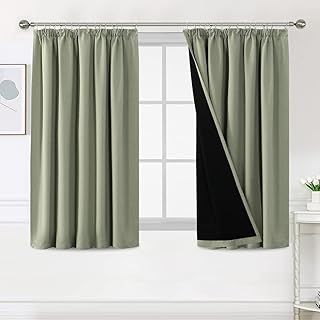
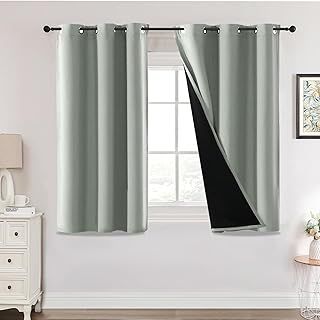
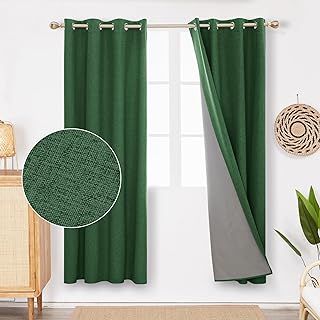
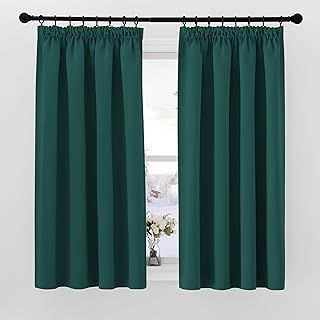
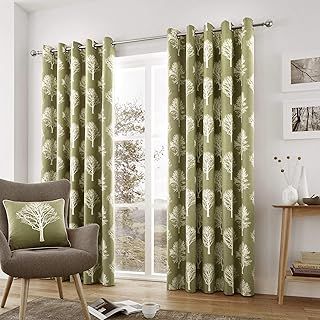
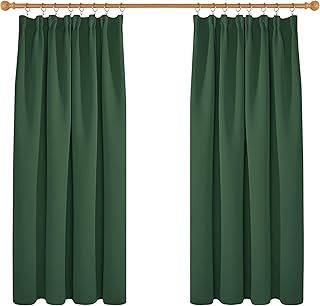
Both headings appear across the products here, and neither is better. They suit different rooms. Eyelet curtains have metal-ringed tops that slide straight onto a pole and hang in even, wavy folds. They read as more modern and go up quickly, but they need a pole rather than a track. Pencil pleat has a gathered, tape-drawn top that works on either a pole or a track, and you can tighten or relax the gather to taste for a more traditional look. If you are replacing curtains on an existing track, pencil pleat is the safer default. If you are fitting a new pole and want a clean contemporary line, eyelet is easy to live with.
Stopping the light leaks
Here is the practical bit buyers often miss. A 100 percent blackout rating describes the fabric, not the finished room. Light still sneaks in around the edges, because a curtain hangs off a pole rather than sealing to the frame, so gaps at the top, sides and bottom stay open. If a genuinely dark room matters, say for a shift worker or a baby's nursery, do three things. Mount the pole 10 to 15cm beyond each side of the window so the panels overlap the wall. Choose a drop that reaches the sill or floor rather than stopping short. And if you still see a glow, run adhesive velcro down the sides of the frame to press the fabric flat. No off-the-shelf curtain gives you a sealed, cinema-black room on its own.
Fabric, shade and everyday care
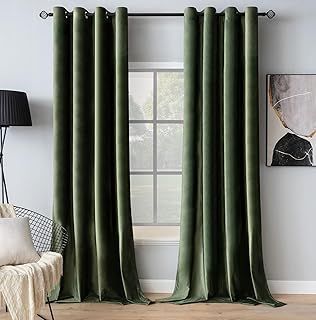
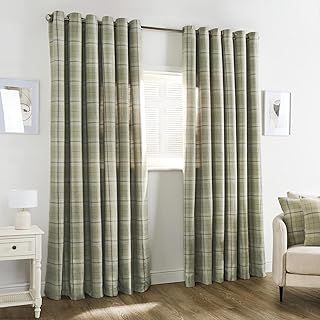
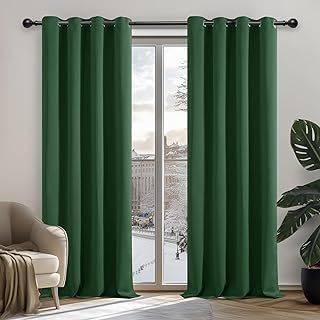
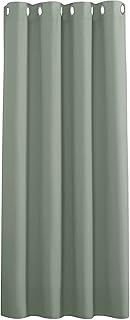
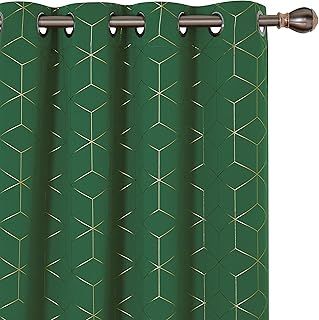
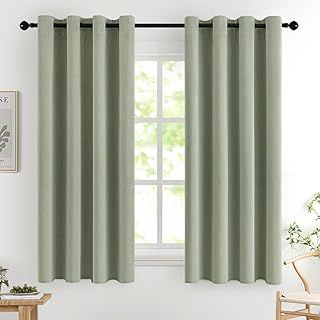
Most affordable green blackout curtains are polyester or a polyester blend. It wears well, holds colour reasonably and is usually machine washable, though you should always read the care label first. Green covers a lot of ground here, from deep forest and dark green through to soft sage. Match the shade to the room. Sage suits calmer, lighter bedrooms and nurseries, while forest and dark green give a richer, cosier feel. When you wash them, a gentle cold cycle with mild detergent protects any blackout coating. Air dry them rather than reaching for a hot tumble, which stops the backing cracking over time.