Top 10 Pocket Hole Jig
Last update: 15-07-2026
Best Jigs and Fixtures overall →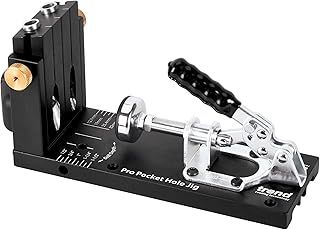
Pocket Hole Jig: 4 things to consider before buying
Match the format to how much you build
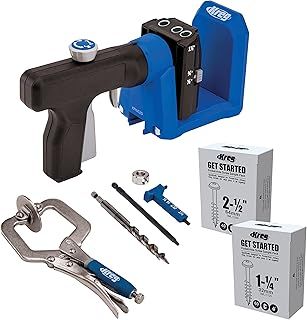
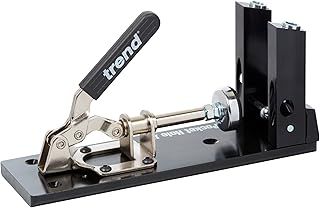
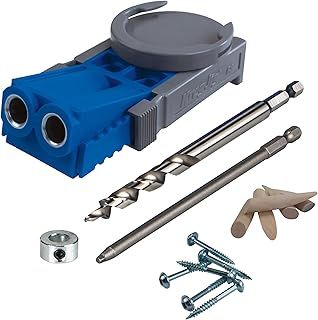
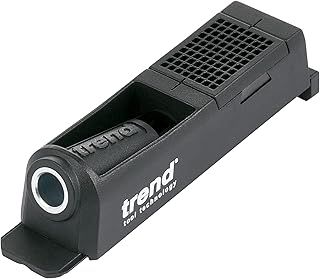
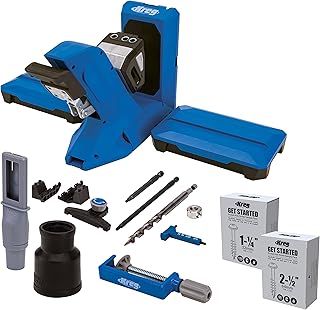
A handheld single jig like the Trend Single or Kreg R3 suits occasional jobs and awkward assembled pieces; a clamped bench system like the Kreg 320 or 720 Pro speeds up repetitive drilling for bigger projects. Choose by how often you'll use it.
Set the jig and drill for your wood thickness
A strong, flush joint depends on matching the jig position and the drill's depth collar to your board thickness, then using the right screw length. Kits from Trend and Kreg include a depth-setting collar; the Pro kit adjusts across roughly 12.7-38mm.
Buy a kit with the clamp and screws included
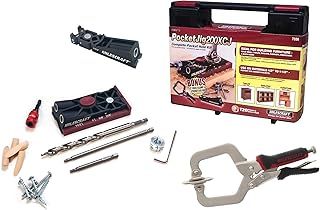
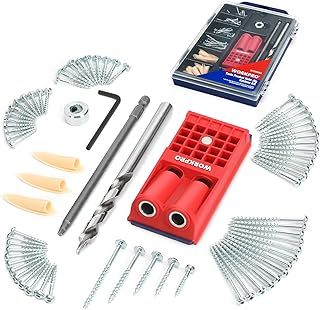
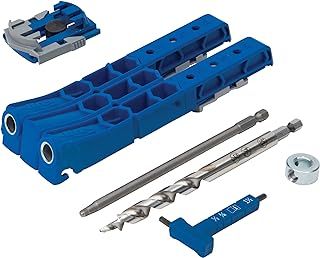
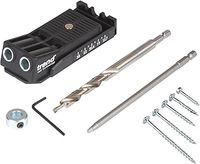
A complete kit like the Trend Pro (face clamp, HSS bit, depth collar, square bits, 100 screws, case) lets you start immediately. A face clamp holds the boards aligned while you drive the screw, giving cleaner joints, so it's worth having from the start.
Don't confuse it with a hinge jig
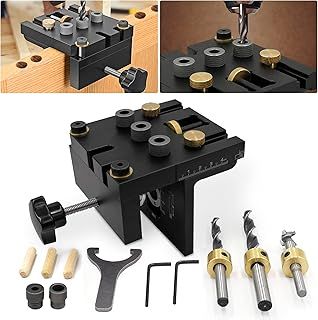
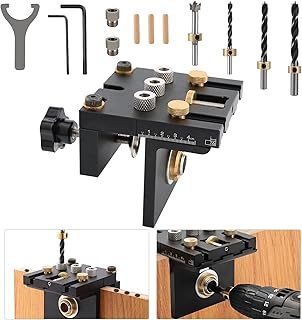
The 35mm concealed hinge jig on this page drills cabinet hinge cups, not pocket holes, so it does a different job. If you want to join boards with hidden angled screws, choose one of the Trend or Kreg pocket hole jigs rather than the hinge jig.
Frequently Asked Questions
What is the best pocket hole jig?
How does a pocket hole jig work?
What size screws do I need for pocket holes?
Do I need a bench-mounted pocket hole jig or a handheld one?
Can beginners use a pocket hole jig?
Your complete guide to Pocket Hole Jig
What a pocket hole jig does and which type to buy
A pocket hole jig guides a drill bit to bore an angled hole into one piece of wood so a screw can pull it tightly to another, creating strong, hidden joints without clamps or glue drying time. It is the fastest way to build cabinets, frames, shelves and furniture. This ranking is led by the two dominant brands, Trend and Kreg, with jigs ranging from simple single-hole guides to bench-mounted systems. Note that one entry, a 35mm concealed hinge jig, is for drilling cabinet hinge cups rather than pocket holes, so it does a different job. Decide how much you will build: an occasional DIYer needs a basic jig, while someone making lots of furniture benefits from a faster, clamped bench-top system.
Handheld, clamped or bench-mounted
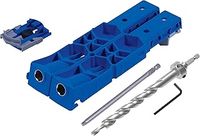
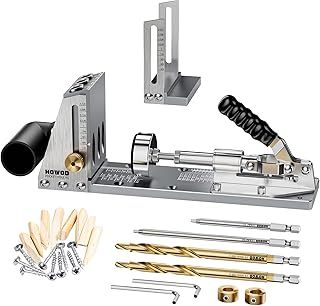
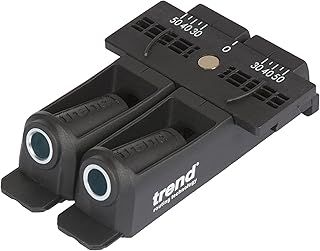
Pocket hole jigs come in three broad formats that suit different levels of use. A simple handheld or single jig, like the Trend Single and the Kreg R3, is small, cheap and portable, ideal for occasional jobs and working on awkward, already-assembled pieces. A dual-column or twin jig, such as the Trend dual-column and Twin jigs, drills two holes at once for faster, more consistent work. A bench-mounted system with a built-in clamp, like the Kreg 320 and 720 Pro, holds the workpiece and speeds up repetitive drilling for larger projects. If you build regularly, a clamped bench system saves real time; for the occasional shelf or repair, a handheld jig is all you need.
Adjusting for material thickness
Getting a strong, flush joint depends on setting the jig and drill for your wood's thickness, so adjustability matters. The jig sets the pocket-hole position for the board thickness, and the drill bit's depth collar sets how deep to drill; both the Trend and Kreg kits here include a depth-setting collar and stop. The Trend Pro kit adjusts across roughly 12.7-38mm and the dual-column model 29-63mm. Matching these settings to your material, and using the right screw length, is what stops the screw tip poking through the show face or the joint sitting proud. Good jigs make this quick with marked settings; when comparing, look for clear thickness adjustment and an included, pre-set depth collar so setup is fast and repeatable.
What comes in the kit
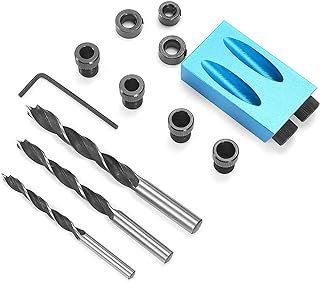
Kits vary a lot in what they include, which affects value and how soon you can start. A complete kit, like the Trend Pro with its jig, support rods, end stops, face clamp, HSS drill bit, depth collar, square-drive bits, 100 screws and a storage case, has everything to begin straight away. Smaller kits, like the Trend 3-in-1 with 50 screws, cover the basics. A face clamp, included in the Trend Pro, holds the two boards aligned while you drive the screw and is genuinely useful for clean joints. Also check the screws supplied are the right type, since pocket-hole screws have a self-tapping tip and a washer head. Buy a kit that includes the clamp and screws if you want to avoid extra purchases before your first project.
How we ranked and choosing your jig
Our order reflects real Amazon signals rather than opinion. The Trend Pro kit and dual-column jig lead with over 1,800 reviews at 4.7 stars, the Kreg R3 has more than 12,100 reviews at 4.6 stars, and the Kreg 320 over 7,600 at 4.7 stars, so both brands are strongly proven. High review counts at 4.5 stars and above are a good sign a jig drills cleanly and its clamp and bits last. To choose, decide between a portable handheld jig and a clamped bench system based on how much you build, check the thickness adjustment covers your typical materials, and pick a kit that includes a face clamp, drill bit, depth collar and screws so you can start straight away. Remember the concealed hinge jig on this page is a different tool.