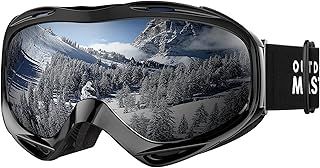
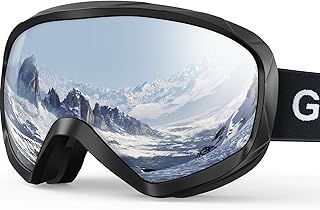
Top 10 Ski Goggles for Men
Last update: 15-07-2026
Best Winter Sports Equipment overall →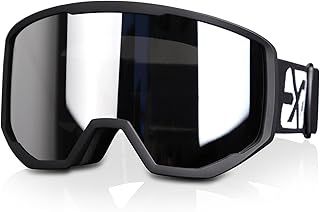
Ski Goggles for Men: 4 things to consider before buying
Match lens tint to your light, or go interchangeable
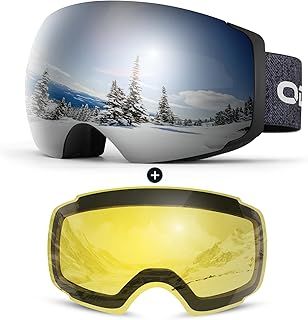
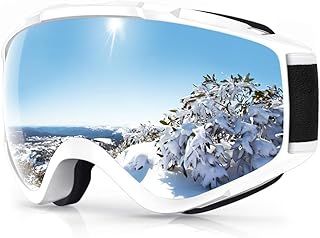
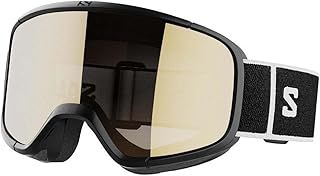
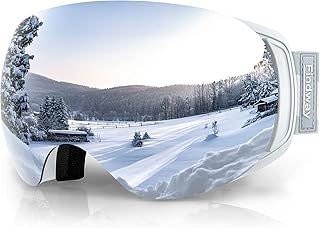
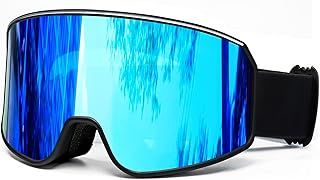
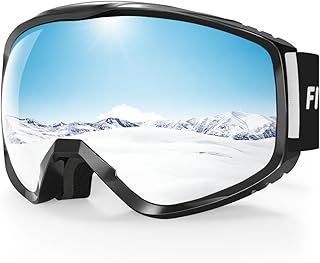
A dark, low-VLT lens suits bright sun; a light or yellow lens helps in flat or low light. If your mountain weather changes through the day, magnetic interchangeable-lens goggles like the Odoland and Findway let you swap fast, and the Odoland includes a low-light yellow lens.
Choose dual-lens for anti-fog
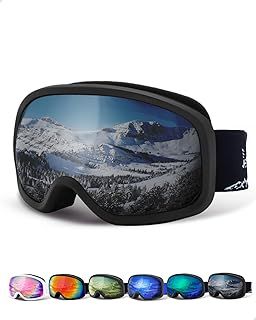
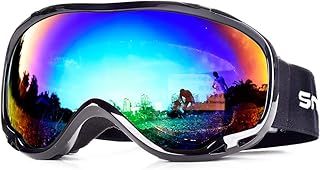
Dual-lens (double-lens) construction, as on the EXP VISION, SPOSUNE and Snowledge, insulates against misting far better than a single lens. Combined with venting and an anti-fog coating, it keeps your view clear, which is the most common goggle complaint solved.
Pick OTG if you wear glasses
OTG (Over The Glasses) goggles like the Findway, JetBlaze and SPOSUNE have deeper frames and foam channels so spectacles fit underneath comfortably. If you wear glasses, check the listing states OTG rather than assuming, as a standard frame may press on them.
Confirm UV protection and helmet fit
Snow reflects strong UV, so look for 100% UV protection or UV400, which most models here provide. If you wear a helmet, choose a goggle stated to be helmet compatible, like the Odoland or JetBlaze, so it sits flush with no cold gap on your forehead.
Frequently Asked Questions
What are the best ski goggles for men?
What lens colour should I choose for ski goggles?
Can I wear ski goggles over my glasses?
How do I stop ski goggles fogging up?
Do ski goggles fit over a helmet?
Your complete guide to Ski Goggles for Men
Lens tint and light conditions
The single most important choice in ski goggles is the lens, because it controls how well you see the terrain. Lens tint is measured by VLT (visible light transmission): a low VLT (dark) lens suits bright, sunny days, while a high VLT (light or yellow) lens brightens flat, overcast or night conditions so you can read bumps in the snow. Interchangeable-lens goggles solve the problem of changeable mountain weather: the Odoland and Findway magnetic models in this ranking swap lenses quickly, and the Odoland even includes a yellow low-light lens alongside its sunny lens. If you ski in one type of light, a single well-chosen tint is fine; if conditions vary through the day, magnetic interchangeable lenses are the flexible choice.
Anti-fog and lens construction
Fogged goggles are the most common frustration on the slopes, so anti-fog performance matters. Dual-lens (double-lens) construction, used on the EXP VISION, SPOSUNE and Snowledge goggles here, creates an insulating air gap between two lens layers that resists misting far better than a single lens, much like double glazing. Most goggles here also add an anti-fog coating and top vents to move air across the lens. Lens shape affects vision too: spherical lenses, as on the Findway and JetBlaze models, curve horizontally and vertically to reduce glare and distortion and widen your field of view, while cylindrical lenses are flatter and usually cheaper. For serious fog resistance, look for a dual-lens goggle with venting and an anti-fog coating.
OTG fit for glasses wearers
If you wear prescription glasses, look specifically for OTG goggles, which stands for Over The Glasses. These have a deeper frame and channels in the foam so your spectacles fit comfortably underneath without the arms digging in. Many goggles in this ranking are OTG-compatible, including the Findway, JetBlaze and SPOSUNE models, which are made to accommodate glasses. If you do not wear glasses, a standard frame sits closer to your face and can give a slightly wider view, but OTG goggles work perfectly well for everyone. When buying as a glasses wearer, check the listing explicitly states OTG rather than assuming, as a non-OTG frame may press on your glasses uncomfortably.
UV protection, helmet fit and comfort
Snow reflects a lot of ultraviolet light, so UV protection is essential, not optional. Look for 100% UV protection or a UV400 rating, which nearly every model here provides, including the EXP VISION and Snowledge with UV400 and the Findway with 100% UV protection. Comfort and fit come from the frame and strap: helmet-compatible goggles, such as the Odoland, Findway and JetBlaze, are shaped to sit flush against a ski helmet with no gap on the forehead, which keeps out cold air and snow. An adjustable, grippy strap holds the goggles securely over a helmet. Triple-layer face foam adds comfort and seals out wind. If you wear a helmet, prioritise a goggle stated to be helmet compatible.
How we ranked and choosing your goggles
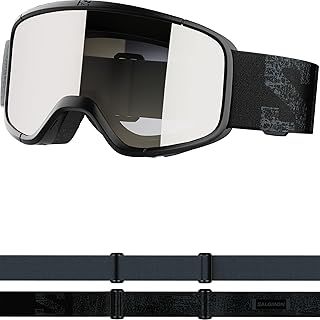
Our order reflects real Amazon signals rather than opinion. The Findway anti-fog goggles carry over 6,900 reviews at 4.6 stars and the EXP VISION nearly 2,000 at the same rating, making them the most proven here, while the Snowledge UV400 goggles have over 1,100. Established brands like Salomon also feature with the Aksium models. High review counts at 4.5 stars and above are a good sign the goggles resist fogging and last a season. To choose, pick a lens tint (or interchangeable lenses) to match your usual light, prioritise dual-lens construction with anti-fog for clear vision, choose OTG if you wear glasses, and confirm 100% UV protection and helmet compatibility. These are unisex-friendly designs suitable for men, women and older youths.