Top 10 Tile Hole Cutter
Last update: 15-07-2026
Best Cutting Tools overall →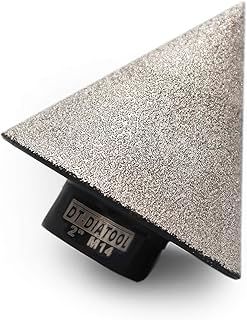
Tile Hole Cutter: 4 things to consider before buying
Buy diamond for porcelain and stone
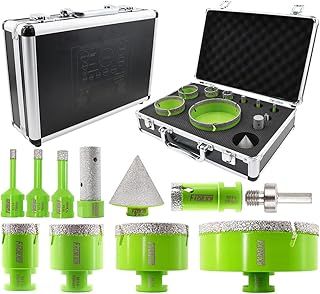
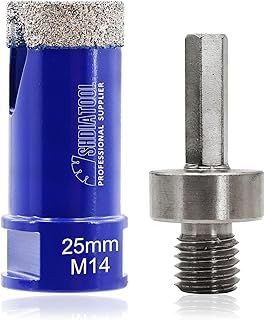
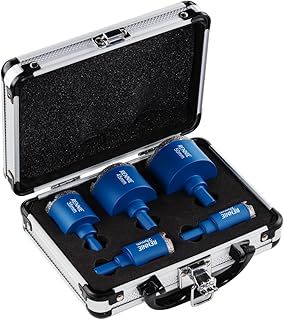
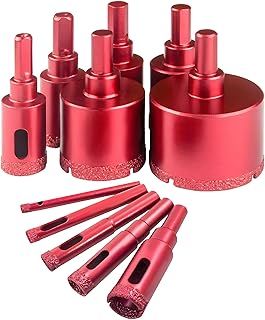
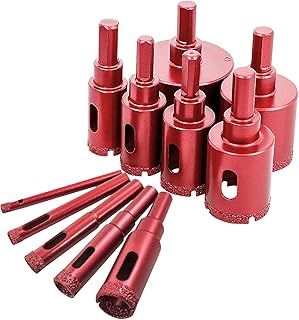
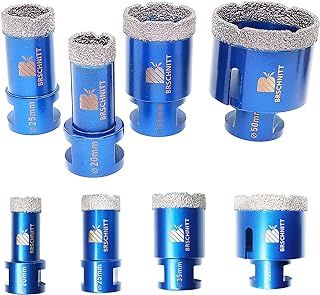
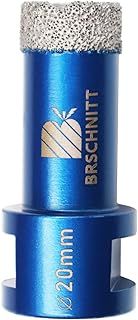
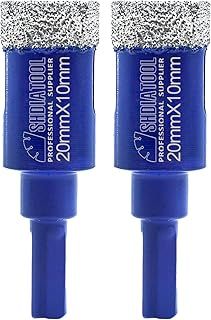
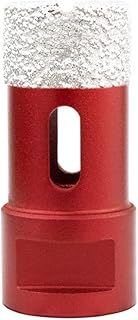
Glazed porcelain, granite and marble need diamond grit, as on the SHDIATOOL, Teronbeta and BRSCHNITT core bits here. Carbide-tipped bits are cheaper but blunt fast on hard tile. Check the listing names your exact tile material before you buy.
Confirm the diameter you actually need
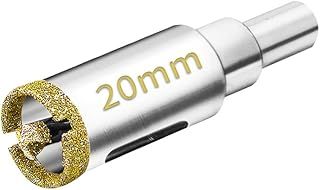
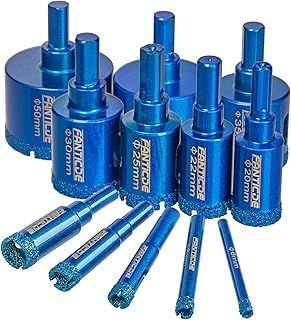
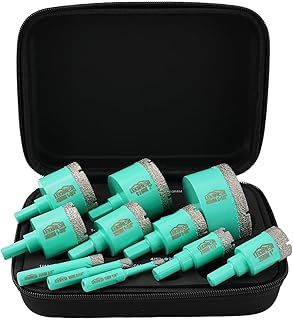
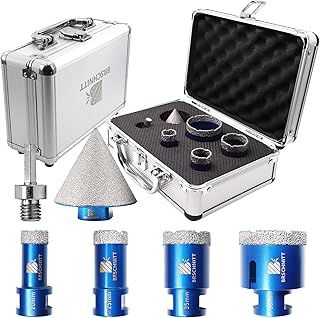
Measure the fitting first. A single bit like the BRSCHNITT 20mm suits one known size, while a graduated set such as the Meccion 6-50mm kit covers varied jobs. Buying the wrong diameter is the most common and avoidable mistake.
Match the shank to your tool
Straight and triangle-shank bits fit a normal drill chuck; M14-threaded bits like the DT-DIATOOL are made for angle grinders, sometimes with a drill adapter. Most DIYers should choose a drill-compatible bit unless they own a grinder.
Keep the bit cool and stop it skating
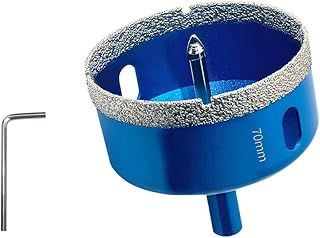
Diamond bits last far longer with water cooling, even the dry-rated ones benefit from a pause between cuts. On glazed tile, use a pilot drill or guide, like the centre bit supplied with the Teronbeta 70mm, so the cutter bites instead of sliding across the surface.
Frequently Asked Questions
What is the best tile hole cutter for porcelain?
What size hole cutter do I need for tiles?
Can I use a tile hole cutter in a normal drill?
Should I cut tile holes wet or dry?
How do I stop the bit slipping on glazed tile?
Your complete guide to Tile Hole Cutter
Diamond hole saws vs carbide: what cuts porcelain and ceramic
For cutting clean holes in tile you are really choosing between diamond-coated bits and carbide-tipped ones, and this ranking is dominated by diamond. Hard, dense materials such as porcelain, granite, marble and glass need diamond grit, as used on the SHDIATOOL, Teronbeta and BRSCHNITT core bits here, because carbide dulls quickly on them. Carbide-tipped bits, common on cheaper multipacks, can handle softer wall ceramic but struggle on porcelain and will burn out fast. If your tiles are glazed porcelain or natural stone, choose a bit that explicitly lists porcelain, marble and granite among its materials, as several diamond sets in this list do.
Getting the hole size right
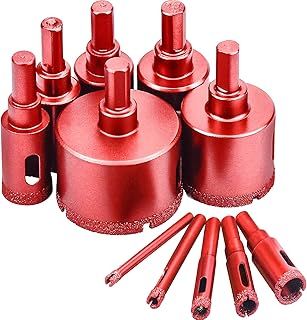
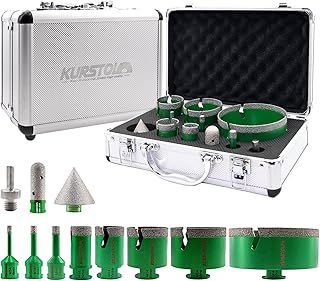
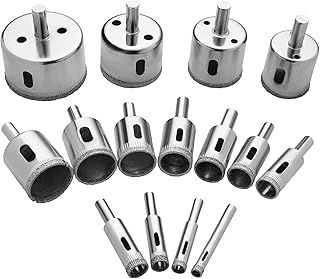
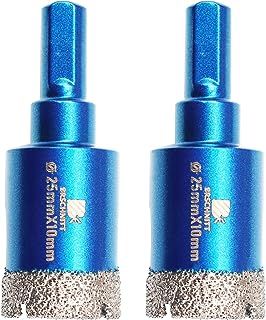
Match the bit diameter to the fitting you are installing: pipes, shower valves, waste outlets and towel-rail fixings all need specific sizes. The sets here span a wide range, from around 6mm up to 70mm; the Teronbeta is a single 70mm cutter for larger outlets, while the Meccion 11-piece kit covers 6mm to 50mm in one box. Common bathroom jobs are 6mm to 10mm for screws and plugs, 20mm to 35mm for pipes, and 50mm-plus for larger fittings. If you only need one or two holes at a known size, a single bit like the BRSCHNITT 20mm or 25mm is more economical; if sizes vary, a graduated set covers you in one purchase. Always confirm the exact diameter your fitting requires before buying.
Shank and thread: will it fit your tool?
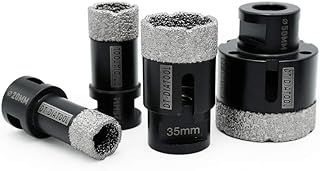
A tile hole cutter has to fit the tool you will drive it with, so check the shank. Bits with a straight or triangle shank, like the flintronic set and the SHDIATOOL triangle-shank cores, go into a standard drill chuck. Bits with an M14 thread, such as the Meccion, BRSCHNITT and DT-DIATOOL parts, are made for an angle grinder, though some come with adapters to run in a drill. Match this to your kit: most DIYers will use a cordless drill, so straight-shank or drill-compatible bits are the safest choice, while an M14-threaded bit needs a grinder or an M14-to-drill adapter.
Wet vs dry cutting and pilot guides
Diamond bits run cooler and last longer with water, which flushes away dust and stops the diamond overheating. Some bits are rated for dry cutting, like the BRSCHNITT dry core drill set, which is convenient for a quick hole but generates more dust and heat, so work in short bursts and keep the tile cool. A big practical issue on glazed tile is the bit skating across the surface before it bites. A pilot centre drill, as included with the Teronbeta 70mm cutter, or a guide jig keeps the bit on the mark. Start at a shallow angle to score a ring, then bring the bit upright once it has a groove to follow.
How we ranked, and buying a set that lasts
Our order leans on real Amazon signals: the DT-DIATOOL chamfer bit tops its niche as a category number one with over 1,300 reviews at 4.5 stars, and the Meccion and flintronic multipacks each carry more than 2,000 reviews. High review counts at 4.3 stars or above are a good sign a bit actually survives porcelain rather than blunting on the first hole. Note that some top entries, like the DT-DIATOOL chamfer bit, are for enlarging or bevelling existing holes rather than cutting new ones, so read each product's job before buying. For durability, favour vacuum-brazed or genuine diamond bits, keep them cool while cutting, and let the tool do the work rather than forcing it.